10 Future Architecture Trends That Will Change Cities Forever
- Gourav

- Jan 21
- 2 min read
Introduction: Cities Are Not Growing—They Are Being Reinvented
The next decade of architecture will not be defined by iconic buildings, but by systems that reshape how cities function.
Key drivers:
Climate change
Rapid urbanization
AI and automation
Resource scarcity

The result is a shift from static buildings to adaptive, intelligent environments.
Future Architecture Trends
1. Climate-Responsive Architecture Becomes Standard


Buildings will be designed to respond to climate, not resist it.
Key Features:
Passive cooling strategies
Adaptive facades
Reduced energy dependence
Impact:
Lower energy consumption and improved urban comfort.
2. AI-Driven Design and Generative Architecture
AI is transforming how buildings and cities are designed.
What Changes:
Faster design iterations
Data-driven planning
Optimized layouts and forms
Impact:
Higher efficiency and smarter urban systems.
3. Smart Buildings Integrated with IoT


Buildings will become responsive systems.
Features:
Automated lighting and cooling
Real-time energy monitoring
Occupancy-based adjustments
Impact:
Reduced waste and improved user experience.
4. Net-Zero and Energy-Positive Buildings

Future buildings will produce as much energy as they consume—or more.
Strategies:
Solar integration
High-performance envelopes
Energy storage systems
5. Vertical Urbanism and Compact Cities

Urban land scarcity will push cities upward.
Key Concepts:
Mixed-use vertical developments
Integrated living-working environments
Impact:
Reduced commuting and efficient land use.
6. Biophilic Design and Urban Nature Integration

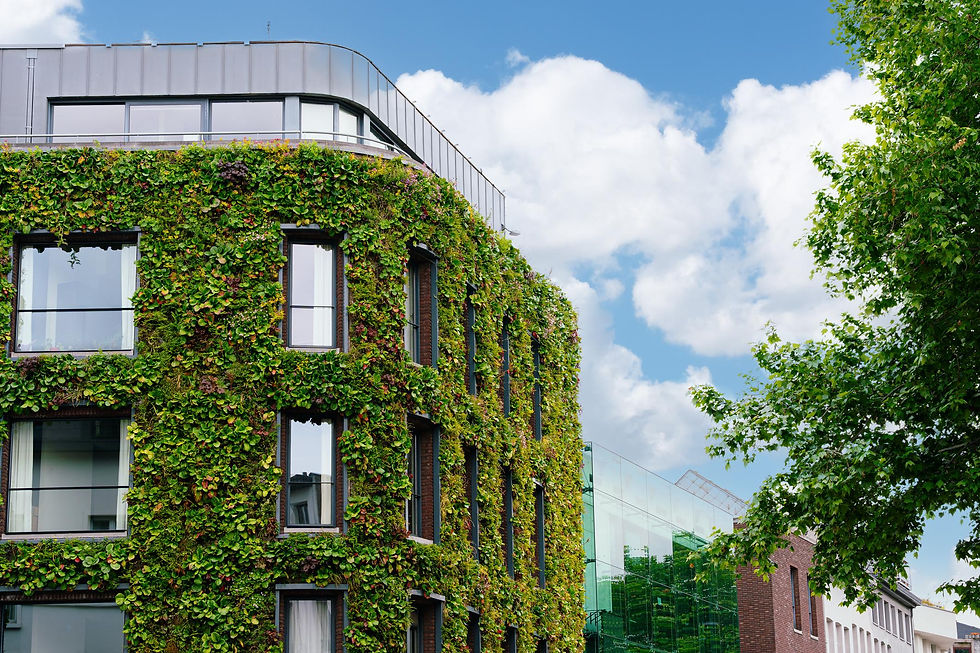
Nature will become a core part of architecture.
Benefits:
Improved mental health
Reduced urban heat
Better air quality
7. Modular and Prefabricated Construction

Construction will shift from site-based to factory-based.
Advantages:
Faster construction
Lower cost
Reduced waste
8. Adaptive Reuse and Circular Design

Instead of demolishing, cities will reuse and transform.
(Future Architecture Trends)
Impact:
Reduced environmental footprint
Preservation of cultural identity
9. Resilient Design for Climate Risks

Cities must adapt to extreme weather.
Strategies:
Flood-resistant design
Heat-resilient materials
Disaster-ready infrastructure
10. Human-Centric and Flexible Spaces

Architecture will prioritize user experience over form.
Features:
Flexible layouts
Multi-functional spaces
Personalized environments
Conclusion: The Shift from Buildings to Systems
The future of architecture is not about isolated structures. It is about integrated systems that respond to climate, technology, and human needs.
The architects who understand and apply these trends will shape not just buildings—but entire cities. Take the Next Step: Turn Strategy into Reality
Understanding Future Architecture trends is only valuable if you can apply them effectively to real projects. If you want to translate these future-focused strategies into practical architectural solutions, you can connect with Graphite for professional guidance.
Whether you are planning a new development or exploring innovative design approaches, Graphite can help you align your project with emerging trends, improve performance, and create spaces that are built for the future.


Comments